
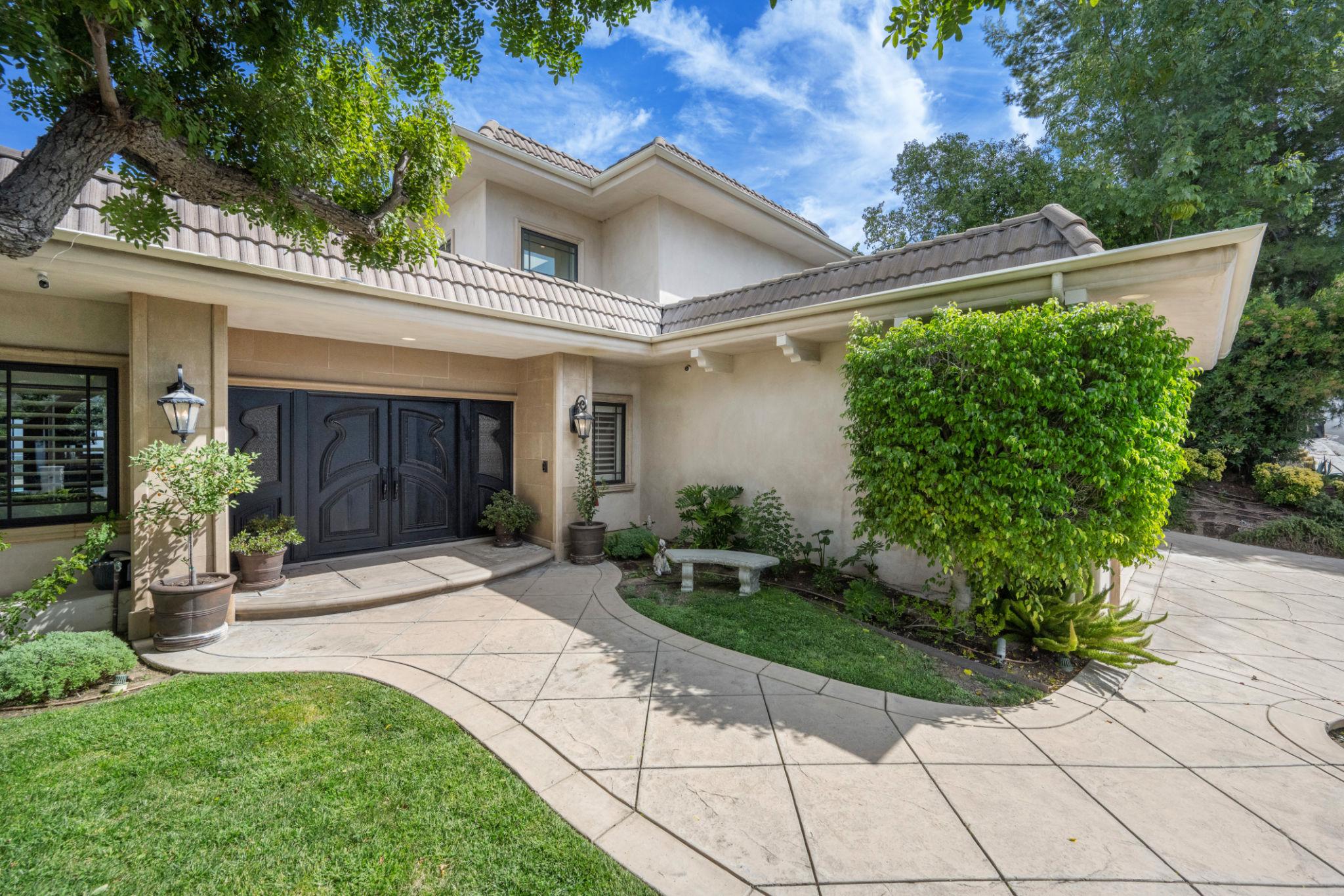
Fixer-uppers have made a lot of buyers real money.
They’ve also wiped out a lot of savings.
The difference isn’t luck. It’s what you know before you make an offer.
From the outside, a fixer can look like opportunity. Lower price, less competition, and the chance to build equity fast. That’s the upside everyone talks about. What doesn’t get talked about enough is how quickly things can go sideways if you misjudge the scope of work.
This is where buyers either get ahead or get burned. If you know how to evaluate a fixer properly, it can be one of the smartest moves you make. If you don’t, it can turn into a very expensive lesson.
Cosmetic vs. Structural
The first thing you need to understand is the difference between cosmetic issues and structural problems.
Cosmetic is manageable. Structural is where things get serious.
Cosmetic issues are things like paint, flooring, light fixtures, landscaping, and even older kitchens and bathrooms. These are upgrades. They cost money, but they’re predictable. You can plan for them, budget for them, and improve them over time.
For example, replacing flooring or repainting a home might cost a few thousand to tens of thousands depending on size and materials. It’s work, but it’s straightforward work.
Structural issues are a different category entirely.
Foundation problems, roof damage, major electrical or plumbing issues. These are not weekend projects. These are the types of repairs that can quickly run into the tens of thousands or more.
A cracked foundation, for example, isn’t just cosmetic. It can affect the entire structure of the home. A failing roof can lead to water intrusion, which then leads to mold, rot, and further damage. Outdated electrical systems like knob-and-tube wiring can create safety concerns and complicate insurance.
This is where a lot of buyers get into trouble. They see a home that needs work and assume all of it falls into the cosmetic category.
It doesn’t.
Knowing the difference upfront is what protects you.
How to Estimate ROI
Before you even think about making an offer on a fixer, you need a simple way to evaluate whether the numbers make sense.
Here’s the basic formula.
After-repair value minus purchase price minus renovation costs equals your upside.
Let’s walk through a simple example.
Say a home could realistically be worth $700,000 after it’s fully renovated.
You’re looking at buying it for $550,000.
You estimate that renovations will cost $80,000.
Now run the numbers.
$700,000 minus $550,000 minus $80,000 leaves you with $70,000 in potential upside.
That’s your margin.
Now here’s where you need to be careful.
Those numbers are only useful if they’re realistic. If you underestimate renovation costs or overestimate the final value, that margin disappears fast.
This is why it’s important to be conservative. Build in a buffer. Assume things will cost more than expected and take longer than planned.
If the deal still makes sense with conservative numbers, you’re in a much safer position.
Renovation Budgeting 101
No matter how detailed your estimate is, things will come up.
That’s why you always add a buffer.
A good rule is to add 10 to 20 percent on top of your initial renovation estimate. If you think the work will cost $100,000, plan for $110,000 to $120,000.
This isn’t being pessimistic. It’s being realistic.
Once you have your budget, prioritize where the money goes.
Kitchens and bathrooms typically offer the highest return. These are the areas buyers care about most and where upgrades can have the biggest impact on value.
Curb appeal matters too. The exterior is the first impression. Landscaping, paint, and overall presentation can significantly affect how the home is perceived.
Sequence also matters.
Handle major systems first. Roof, plumbing, electrical, and anything structural should be addressed before cosmetic upgrades. There’s no point in installing a new kitchen if you later have to open up walls to fix plumbing or wiring.
Think of it as building a foundation for your renovation. Get the critical pieces right first, then layer in the improvements that add value.
When to Walk Away
This is the part that saves buyers the most money.
Not every fixer is worth it.
There are certain red flags that should make you stop and seriously reconsider the deal.
Major foundation issues are one of the biggest. These can be expensive, complex, and sometimes unpredictable.
Outdated electrical systems like knob-and-tube wiring are another. Not only can they be costly to replace, but they can also create challenges with insurance and safety.
Severe water damage is a major concern. Water has a way of creating hidden problems behind walls and under floors. What you see is often just part of the issue.
Structural problems, whether it’s framing, support beams, or anything affecting the integrity of the home, should always be taken seriously.
If you start seeing multiple major issues in these categories, it’s usually a sign that the project is bigger than it looks.
Walking away is not losing. It’s protecting yourself.
The right deal will make sense on paper and in reality. If you have to stretch the numbers or ignore red flags to justify it, it’s probably not the one.
Stop Guessing on Fixer-Uppers: Know the Numbers Before You Commit
This is where a lot of buyers either make money or lose it.
Fixer-uppers can be a great opportunity, but only if you go in with a clear understanding of the risks, the costs, and the potential return.
If you’re even thinking about making an offer on a fixer, don’t go into it blind.
This is exactly where having the right guidance can save you a lot of money and a lot of stress.
If you want to walk through a property, break down the numbers, and make sure the deal actually makes sense before you move forward, reach out.
A quick conversation upfront can prevent a very expensive mistake later.
Check out this article next